Tile Buying Guide, Part 1: Where the Tile Goes

Buying tile is easier when you start with the space—not the sample. Color and format matter, but performance depends on where the tile will live: underfoot, on a wall, in a wet room, or outdoors.
This series walks through a practical buying path used by homeowners and trade partners: define the location, set budget and style, choose layout and grout, then estimate quantity and hire the right installer. Part 1 focuses on location and exposure.
Why ceramic and porcelain stay popular
Ceramic and porcelain tile are valued for more than looks. Nonporous glazed surfaces are easy to clean, do not harbor dust the way soft flooring can, and support healthy indoor air quality because they do not off-gas VOCs the way some resilient products do. They also handle moisture well when installed correctly—an advantage in kitchens, baths, laundry rooms, and pool decks.
Style range is wide: wood looks, stone looks, soft solids, mosaics, and large-format slabs. That variety is useful only after you know what the room demands.
Floor vs wall
Floors need durability under traffic, scratching, and cleaning. Look for floor-rated porcelain or ceramic, confirm thickness and breaking strength for the use, and check DCOF or other slip guidance for wet areas.
Walls open up thinner formats, decorative textures, and mosaics. A kitchen backsplash or shower wall can carry more visual drama than a hallway floor—as long as the product is rated for walls and wet locations when needed.
If one collection offers both floor and wall pieces, confirm which SKUs are approved for each surface. Matching looks across floor and wall often means related lines, not one SKU for everything.
Indoor rooms that benefit from tile
- Kitchen: floors, backsplashes, and sometimes counters with appropriate materials.
- Bathroom and shower: wet-area systems, slip-aware floors, and water-resistant walls.
- Entry, mudroom, laundry: high dirt and moisture; prioritize cleanability.
- Living areas: tile can be quiet and contemporary when format and grout are planned carefully.
Outdoor and pool-adjacent spaces
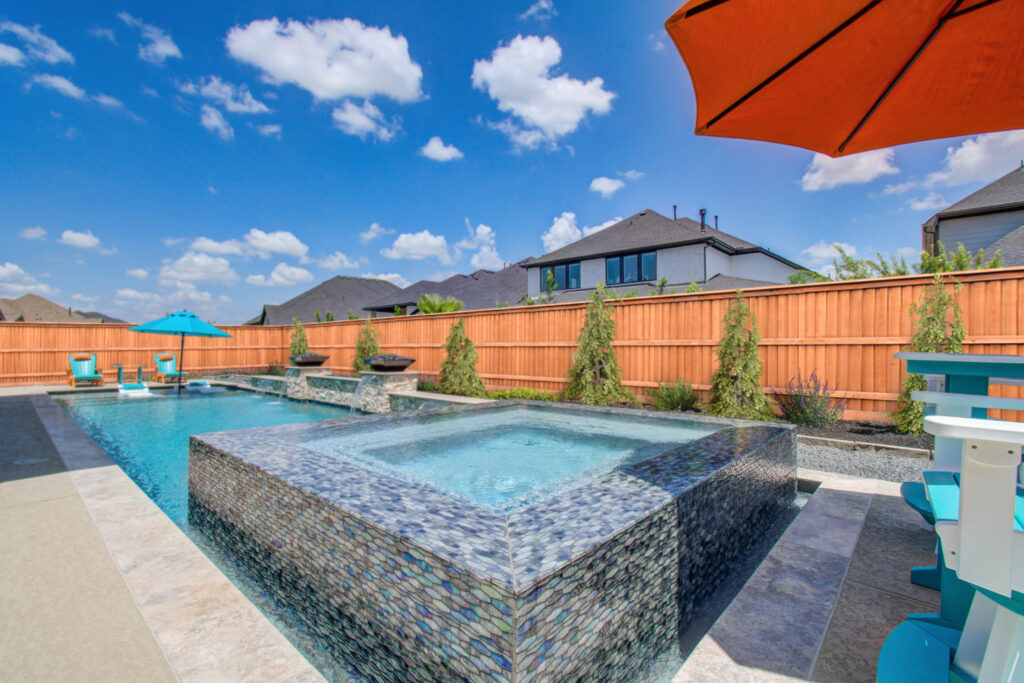
Outside, freeze–thaw, UV, and slip resistance matter. Porcelain pavers, outdoor-rated porcelain, and natural stone each have different maintenance and climate limits. Pool coping and waterline tile need products designed for constant moisture and chemistry—see our Pool Tile Guide for that path.
Capture the project in one paragraph
Before shopping, write a short brief:
- Room or outdoor area
- Floor, wall, or both
- Water or dirt exposure
- Approximate square footage
- Must-have look (stone, wood, solid, mosaic)
Bring that brief—and photos of the space—when you browse collections or request samples. Part 2 covers budget, style, layout, and grout.