Tile Buying Guide, Part 2: Style, Layout & Grout
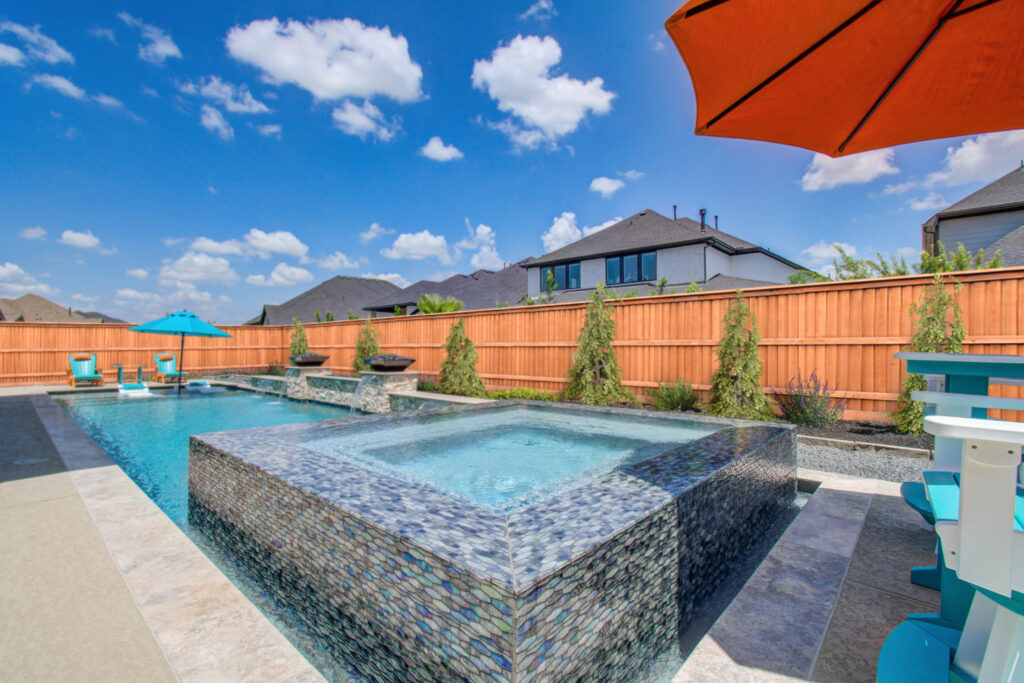
Once you know where the tile goes, decide how it should look in place. Style, format, layout, and grout work together. Changing one often changes how the others read.
Set a realistic budget early
Think beyond the price per square foot. Lifetime cost includes prep, waterproofing, labor, maintenance, and replacements if a softer material wears out sooner. Ceramic and porcelain often compete well over time because they resist stains, fading, and heavy cleaning when specified correctly.
Share a budget range with your designer or salesperson. They can steer you toward collections that hit the look without forcing expensive specialty cuts you do not need.
Style: size, color, and texture
Tile ranges from small mosaics to large-format panels. Size changes how a room feels:
- Smaller pieces and mosaics follow curves and create pattern.
- Medium rectangles are versatile for floors and walls.
- Large formats reduce grout lines and read continuous—but need flatter substrates.
Color and texture set the mood: quiet solids, stone movement, wood grain, or high-contrast graphics. Order samples and view them in the actual light of the room. Shade variation ratings (V0–V4) explain how much pieces may differ—see Understanding Tile Shade Variation.
Pick a layout pattern
Layout changes character as much as the tile itself. These popular examples show how the same tile format can read very differently once the joints change.
Brick / Running Bond
Offset each row by half a tile. Classic and forgiving on rectangular formats.
Herringbone
Short end meets long side at a right angle. Plan extra waste for edge cuts.
Chevron
Angled ends meet on a straight line for continuous zigzags.
Grid / Stacked
Aligned rows and columns. Clean and modern; shows substrate flatness.
Windmill
Four rectangles spin around a small square. Mixes sizes in one module.
Diagonal Rug
Field rotated 45° inside a border. Defines a zone within a larger floor.
Do not forget grout
Grout is a design choice:
- Contrasting grout outlines each tile and highlights the layout.
- Matching grout softens seams toward a continuous surface.
- Mid-tone neutrals hide day-to-day dust better than pure white in busy floors.
Ask for a mock-up with your actual tile whenever possible. Joint width, sanded vs unsanded, and sealers also affect the finished look—especially outdoors and in showers.
Next step
Part 3 helps you estimate boxes of tile, run a project checklist, and choose a qualified installer.

